
Field Notes

Latest Articles

Desert walking and recovery in the West Valley

Desert Walking and Recovery: How the West Valley Trails Became Part of Treatment

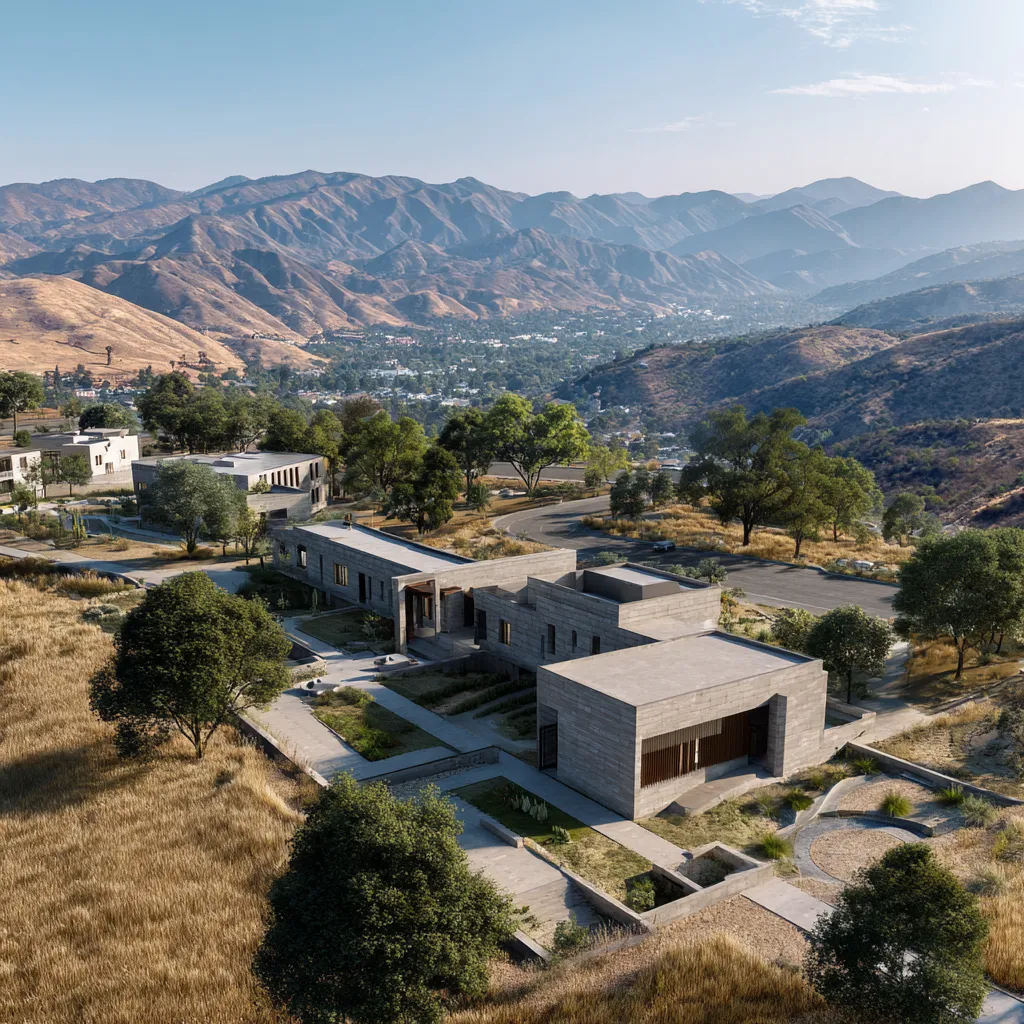
YSB's outdoor block is not a perk — it is clinical. Dr. Tobias Reinholt walks through how desert walking, the Estrella Mountain trails, and the early-morning slot on the campus paths landed in our balanced-recovery schedule, and what the research on moderate-intensity outdoor movement actually shows for residents in the first ninety days of sobriety.


Talking to teenagers about parental recovery

Talking to Teenagers About Your Recovery: A YSB Field Guide for Parents

Adolescents read evasion faster than adults do, and they remember it longer. This guide from Lucia Vargas covers the four conversations YSB clinicians coach parents through during family programming: what to disclose, what to hold back, how to handle the inevitable angry questions, and how to leave the door open without making your teen the keeper of your sobriety.

Music therapy in addiction treatment

Why Music Therapy Reaches People Verbal Therapy Cannot

For residents who arrived at YSB with twenty years of practiced articulation about their addiction — and zero progress — the music therapy studio is often where something finally breaks open. We walk through the neuroscience of why rhythm and song bypass the talk-therapy defenses, and how the music block in our afternoon schedule produces breakthroughs we cannot manufacture in process groups.

Sleep and long-term recovery

Why Sleep Is the Hidden Pillar of Long-Term Recovery

Disrupted sleep is one of the most stubborn predictors of relapse in the first year of sobriety, and one of the least addressed in standard treatment. Dr. Priyanka Joshi breaks down what the post-acute withdrawal sleep picture actually looks like, why melatonin and sleep hygiene are not enough on their own, and what YSB residents do in the first three months to rebuild a functional sleep architecture.

Family systems recovery — whole household in treatment

Family-Systems Recovery: When the Whole Household Is in Treatment

The phrase "family-systems recovery" describes a clinical framework, not a sentiment. This piece explains how YSB structures the spouse track, the parent track, and the adult-child track in parallel with residential care — and why outcomes in our 2024 cohort showed measurably higher one-year sobriety rates when at least two family members completed the family programming alongside the resident.

Returning for a second treatment episode

Returning to YSB: Why a Second Treatment Episode Is Not a Setback

Roughly one in three YSB admissions each year is someone returning — sometimes to YSB, sometimes from another program. Marco Esquivel writes from his own three-prior-attempts history about why the second-chance philosophy is built into our model, what the research on cumulative treatment episodes actually shows, and how returning residents change the alumni community in ways first-time admits cannot.